Divination: History, Practices, and Popular Methods
What Do We Know About Divination?
Divination is one of humanity's oldest practices, connected with attempts to predict the future or uncover hidden aspects of the present. For thousands of years, divinations have been an integral part of various cultures and religions. The essence of divination was to find answers to important questions, whether about personal life, finances, or fate in general.
Divinations existed in various forms and methods: from using magical objects and rituals to appealing to supernatural forces. Today, divination remains popular in different parts of the world, though its role has significantly changed. Modern divinations have taken new forms, merging with elements of psychology and philosophy, and are often seen as a way of self-knowledge and self-development.
The Role of Divination in History and Culture
Divination played an important role in the religious and cultural practices of ancient civilizations. In Ancient Egypt, Greece, and Rome, divinations were not only a means of obtaining predictions but also an important part of social and governmental processes. Priests and prophets often used divination to make political decisions or predict the outcomes of wars.
In the Middle Ages, divination was associated with mystical practices and even persecuted by church authorities. However, later it became popular again, especially in folk culture, where divination was used to predict happiness and well-being. In the 19th and 20th centuries, divination turned into an element of mass culture, and today it continues to resonate in the lives of many people.
Why Do People Turn to Divination?
People turn to divination for various reasons. In many cases, they seek answers to important questions in their lives, such as about love, work, or the future. Divination provides an opportunity to feel control over events when other means seem impossible. It gives people a sense of confidence, especially during times of uncertainty and stress.
From a psychological perspective, divination can be a way of self-regulation. According to studies such as those by psychologist Karen Horney, turning to divination can serve as a form of self-affirmation in conditions of uncertainty. People with a strong need for control may use divination to minimize feelings of uncertainty in their lives. (See Karen Horney’s works "Research in Psychology and Culture," 1967).
Divination as a Form of Self-Knowledge
An important aspect of divination is its role in the process of self-knowledge. Many people believe that divination can help them understand themselves, reveal their inner desires and aspirations. This is closely related to the psychology of self-knowledge and deep analysis applied by psychologists and therapists. One such method is the use of Tarot cards, which allow uncovering unconscious aspects of personality. The book "Tarot as a Tool of Self-Knowledge" by J. Campbell (2009) explores how divination can be used for deep personality analysis.
The Role of Divination in Different Cultures
In different cultures, divination is perceived differently. In Europe, it is often associated with folk traditions and magic, while in Asia, divination is closely connected with philosophical and spiritual practices such as Taoism and Buddhism. In the cultures of indigenous peoples of America and Africa, divination often serves as an important part of rites of passage and communication with ancestral spirits.
| Culture | Divination Methods | Use in Rituals |
|---|---|---|
| Egyptian | Divination by stars, use of oracles | Used during pharaoh coronations, predictions of future events |
| Greek | Divination using birds and fire | Prophecies about wars and outcomes of state affairs |
| Chinese | I Ching (Book of Changes) | Divination for making important decisions, health and wealth predictions |
| Slavic | Divination using cards and herbs | Predictions of love, family happiness, and harvest |
Divination as a practiced art continues to evolve, ranging from simple methods like card reading and crystal balls to more complex forms involving psychotherapeutic approaches and deep philosophical reflections.
Historical roots of fortune telling
Divination as a practice has ancient roots and has always been associated with attempts to explain and predict the future, as well as with the search for hidden truths about humans and the surrounding world. Divination practices exist in various cultures and religions, and their origins date back to the earliest epochs of human history.
Ancient Divination Practices
One of the earliest forms of divination is predicting the future through natural phenomena such as observing the movement of stars and planets and using various signs and symbols. In Ancient Egypt, Greece, and Rome, divination became an integral part of daily life. As early as the 4th millennium BCE, sanctuaries dedicated to deities that were believed to provide answers through oracles and prophecies existed in Egypt.
According to studies such as A. Barnes' work "The Ancient World and Magic" (1981), divination in Ancient Egypt was associated with widespread use of oracles. Prophets and priests often predicted the future by observing animals, bird flights, or analyzing the positions of planets. Egyptian priests also used dreams and rituals to receive answers from the gods.
Divination in Ancient Greece and Rome
In Ancient Greece and Rome, divination was also popular and gained high cultural significance. Greek philosophers and scholars such as Plato and Aristotle spoke about prophecies and divination, and divination became part of religious life.
One of the most famous oracles was the Delphic Oracle, located in Ancient Greece. Here, in the temple of Apollo, priestesses known as Pythias answered questions often in the form of ambiguous prophecies. The Romans, in turn, used so-called bird divination, based on observing the flight of birds. These practices were widely used for making political decisions and predicting victories in wars.
Medieval Divination and Its Connection to Religion
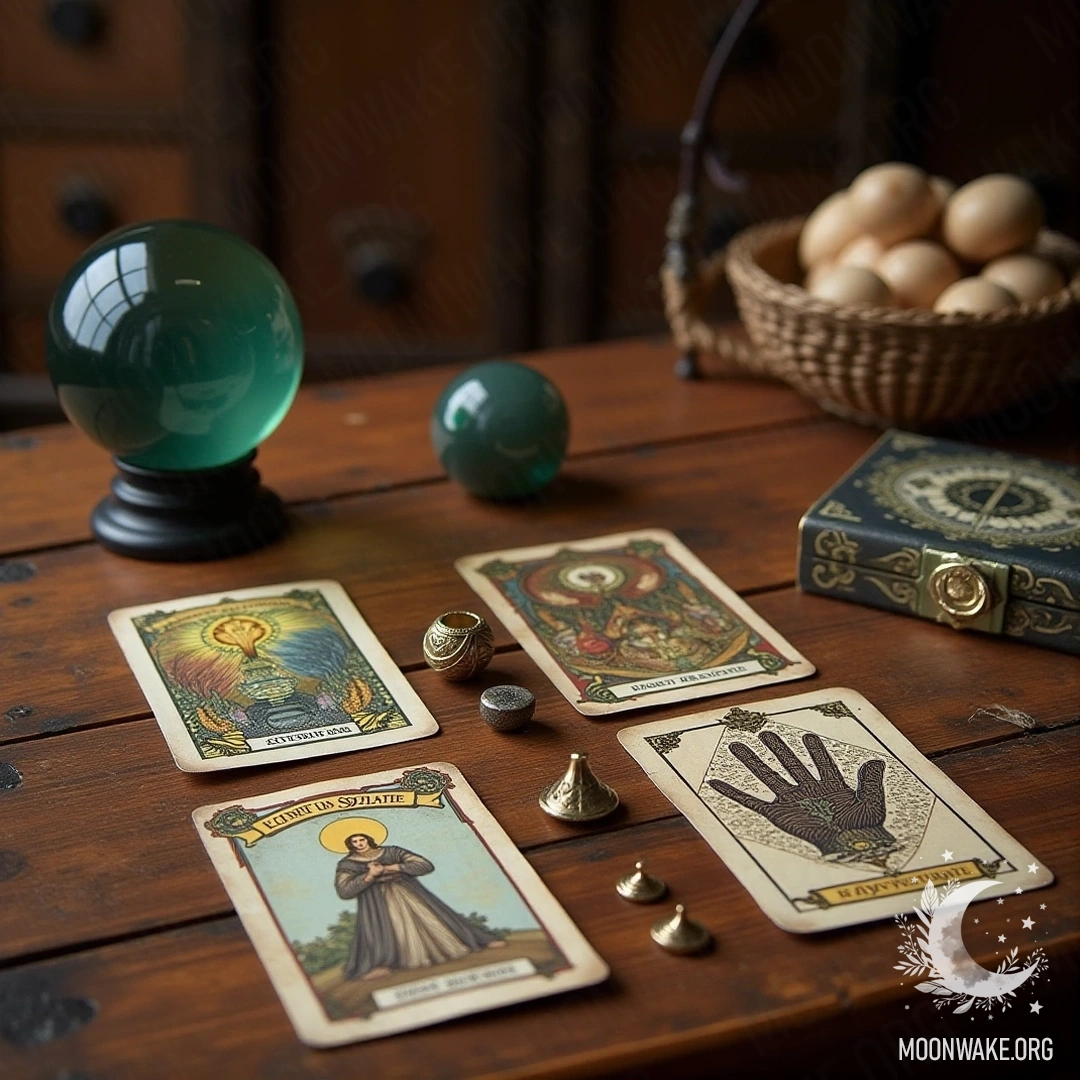
In the Middle Ages, divination was closely linked to religion. In Christian Europe, the church actively persecuted magic and divination, considering them manifestations of witchcraft and heresy. However, despite church prohibitions, folk divination practices flourished. People used cards, mirrors, crystal balls, and other objects to predict the future. This was especially relevant during periods of social and political instability when people sought answers to their questions through mystical practices.
Many forms of divination, such as card reading or astrology, survived various historical crises and remained popular in folk traditions. While the church strongly condemned such practices, members of the upper classes sometimes resorted to seers to strengthen their power or obtain information about the future.
Divination Through the Ages
During the Renaissance and Enlightenment, divination gained new momentum, becoming part of European cultural life. With the development of astronomy, alchemy, and other sciences, people began to seek more rational ways of divination. Astrology, which was once closely linked to science, became an important part of cultural life. The first books on astrology and Tarot, used for predictions, appeared during this time.
In the 18th and 19th centuries, with the development of philosophy and psychology, divination began to be seen not only as magical practices but also as a means of self-discovery. Interest grew in methods such as palmistry and dream interpretation, which became the foundation for psychological approaches in the future. At the end of the 19th and beginning of the 20th centuries, numerous studies on the psychology of dreams appeared, such as the works of Carl Jung, who saw dreams not only as symbols of the future but also as subconscious aspects of personality.
Table of Historical Development of Divination
| Era | Popular Divination Methods | Key Events and Changes |
|---|---|---|
| Ancient Egypt | Star divination, oracles | The role of divination in religious and state life |
| Ancient Greece and Rome | Bird divination, Delphic Oracle | The influence of philosophy on the perception of divination |
| Middle Ages | Card and mirror divination | Church persecution, folk traditions |
| Renaissance and Enlightenment | Astrology, alchemy | Development of science, philosophy, and astrology |
| Modern Era | Tarot, dream psychology | Divination as a tool for self-knowledge and psychology |
Thus, divination has traveled a long path from ancient practices to modern methods connected with psychology and self-discovery. In the following chapters, we will take a closer look at popular divination methods, their usage, and their role in contemporary culture.
Popular Methods of Divination
There are many methods of divination in the world, each with its own characteristics, history, and approach. Over the centuries, people have used various practices to predict the future and get answers to important questions. In this chapter, we will take a detailed look at the most popular and widely used methods of divination.
Tarot: Cards as a Mirror of the Soul
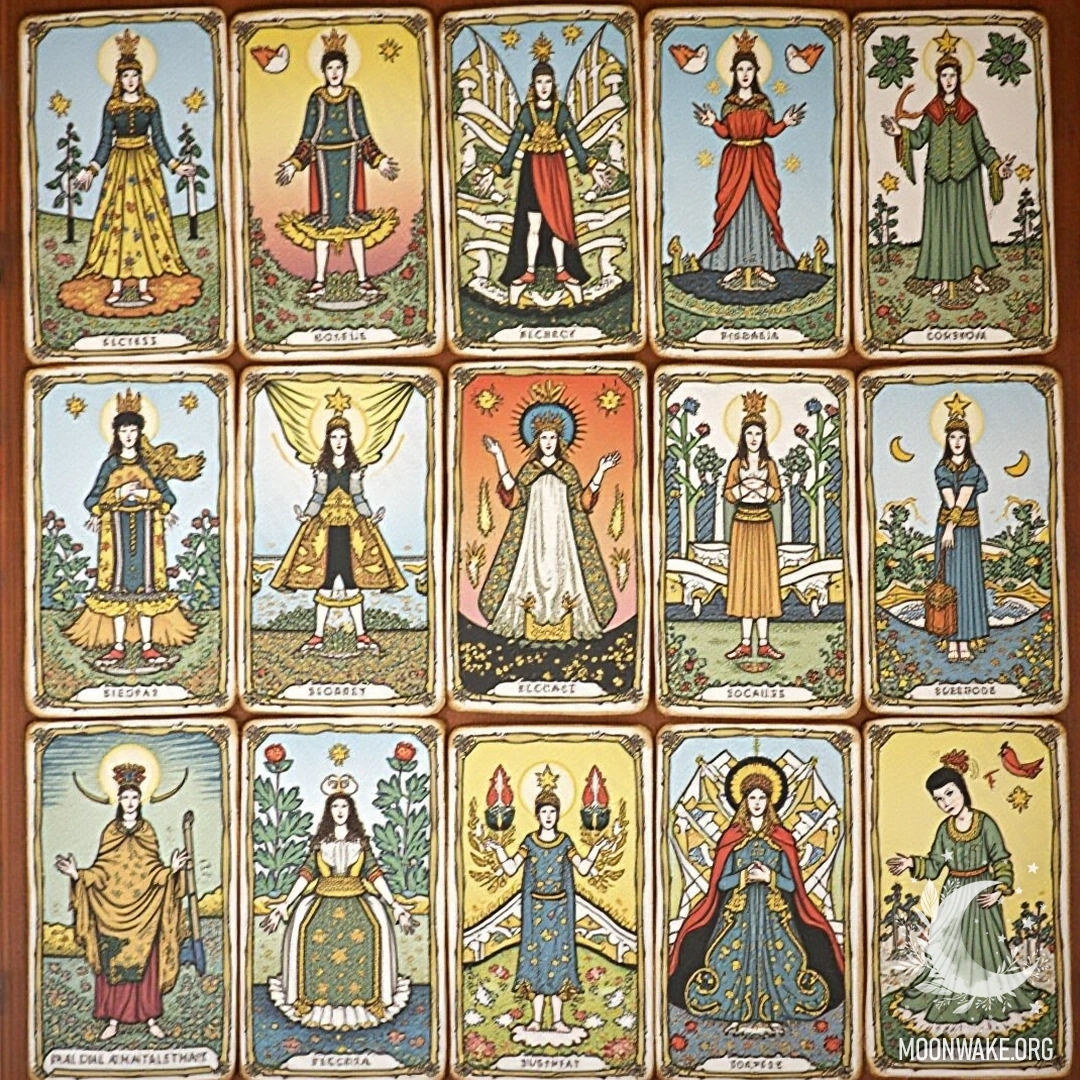
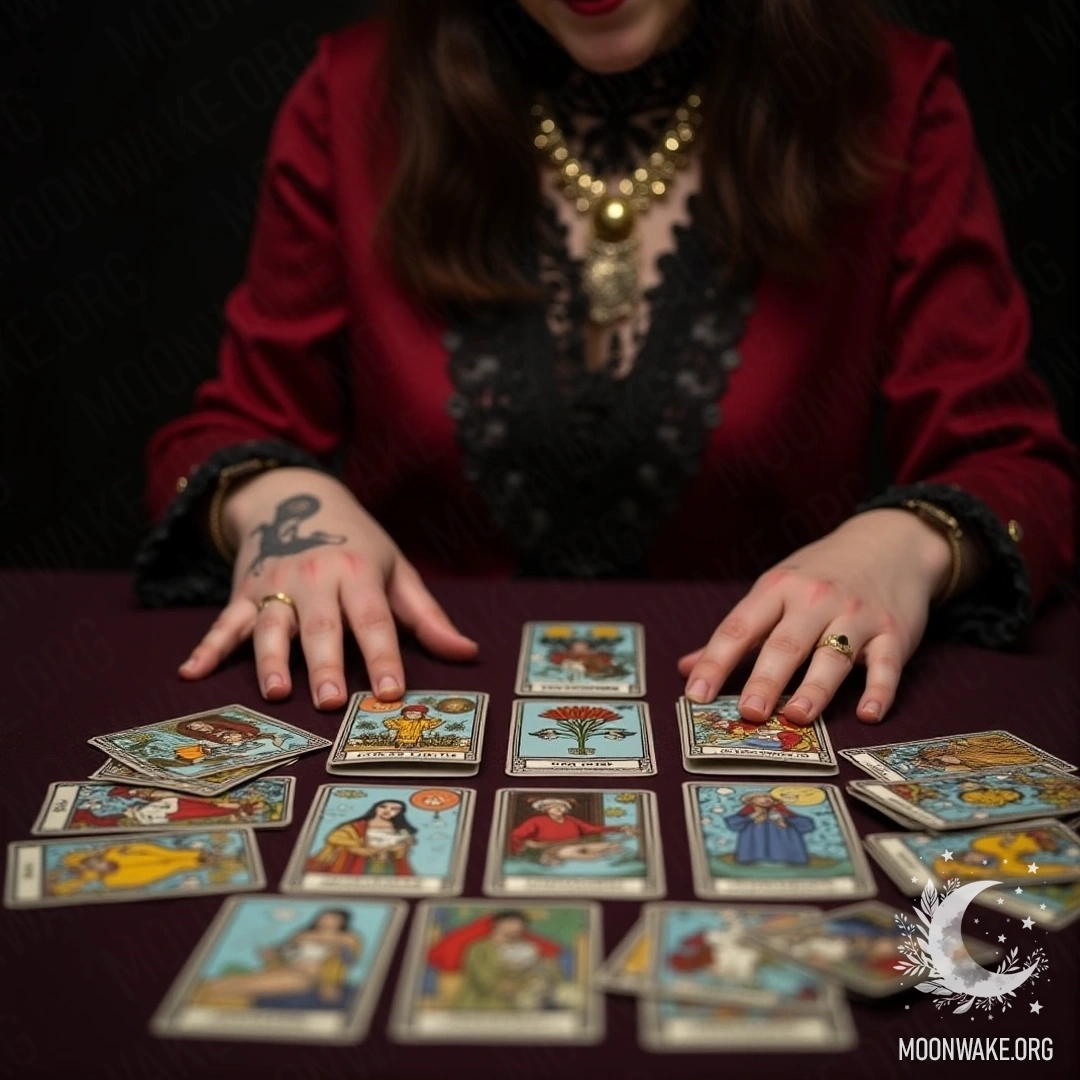
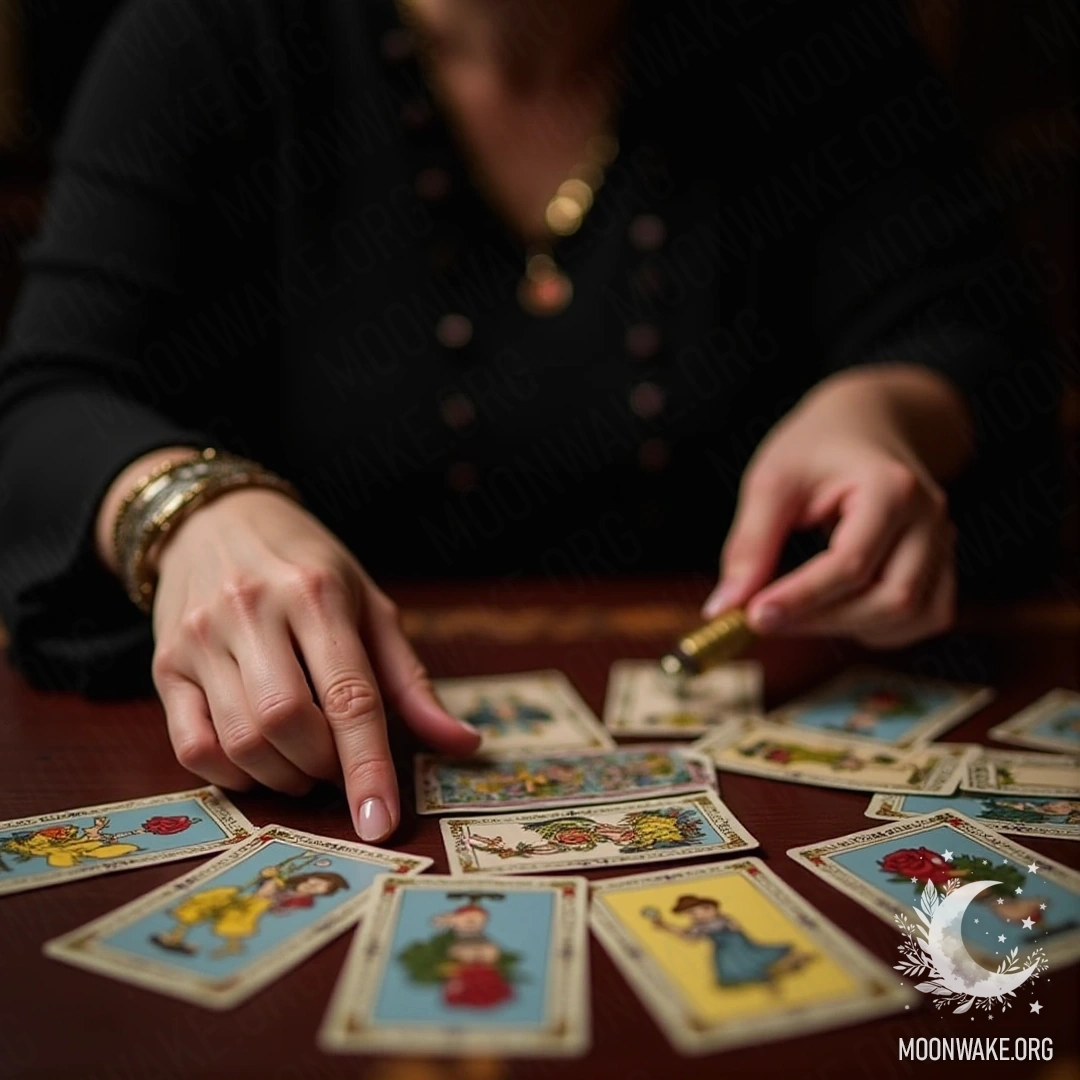
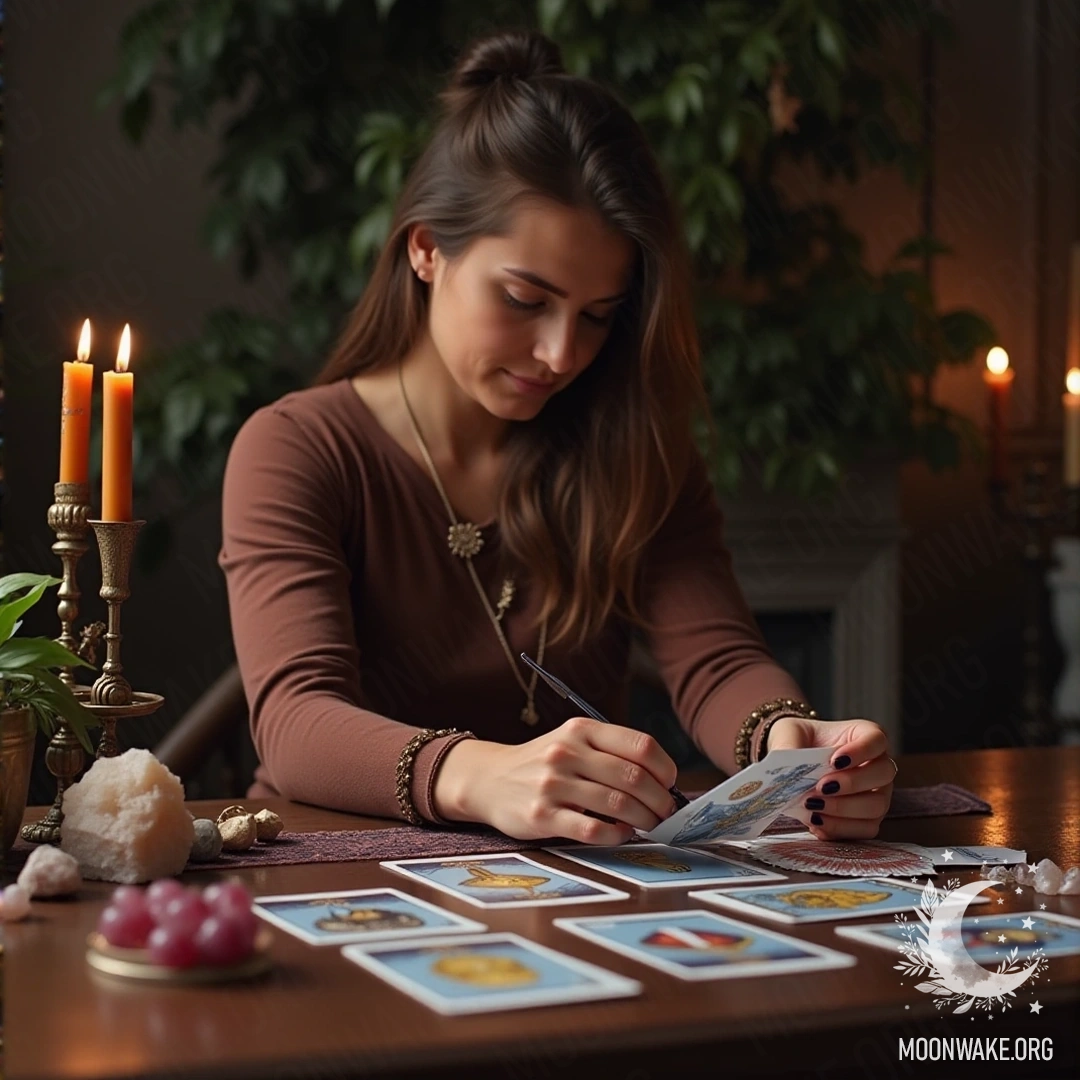
Tarot is one of the most well-known and widespread methods of divination. This method originated in the 15th century in Europe and has since spread worldwide. The Tarot deck includes 78 cards, each with its own unique meaning and symbolism. Tarot is used both for predicting the future and for self-discovery, revealing personal questions and problems.
At its core, Tarot is a system of symbols reflecting various aspects of life, such as love, health, career, and spiritual development. The Tarot deck is divided into the Major and Minor Arcana. The Major Arcana (22 cards) symbolize important events or archetypes such as Death, Strength, The Chariot, or The High Priestess. The Minor Arcana (56 cards) represent more everyday aspects of life and include suits: cups, swords, pentacles, and wands.
Each Tarot card spread can provide a unique insight into the current situation and predict probable events in the future. There are various ways to lay out the cards—from simple three-card spreads to complex ten-card spreads.
Astrology: The Influence of the Stars on Human Fate
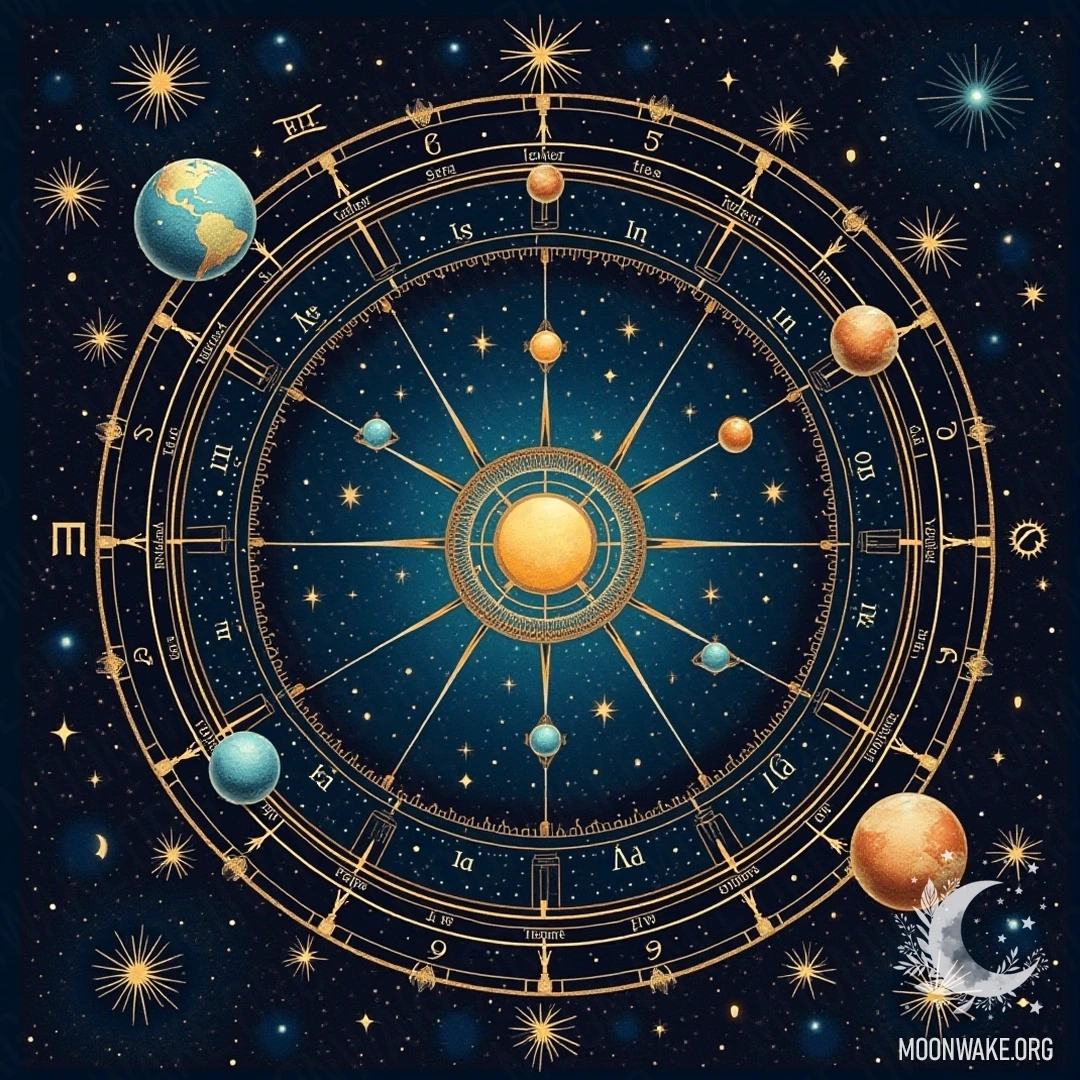
Astrology is an ancient discipline studying the relationship between the movement of celestial bodies and events on Earth. According to astrological teachings, the position of planets and stars at a person's birth can influence their fate and character.
Astrology includes areas such as horoscope creation, forecasting, and compatibility analysis. A horoscope is a chart showing the position of planets at birth, helping to identify personality traits and life tendencies.
Sinastry is a method of evaluating the compatibility of two people based on their horoscopes. Astrology is used as a tool for self-knowledge and analysis of life situations.
Palmistry: Divination by the Hand
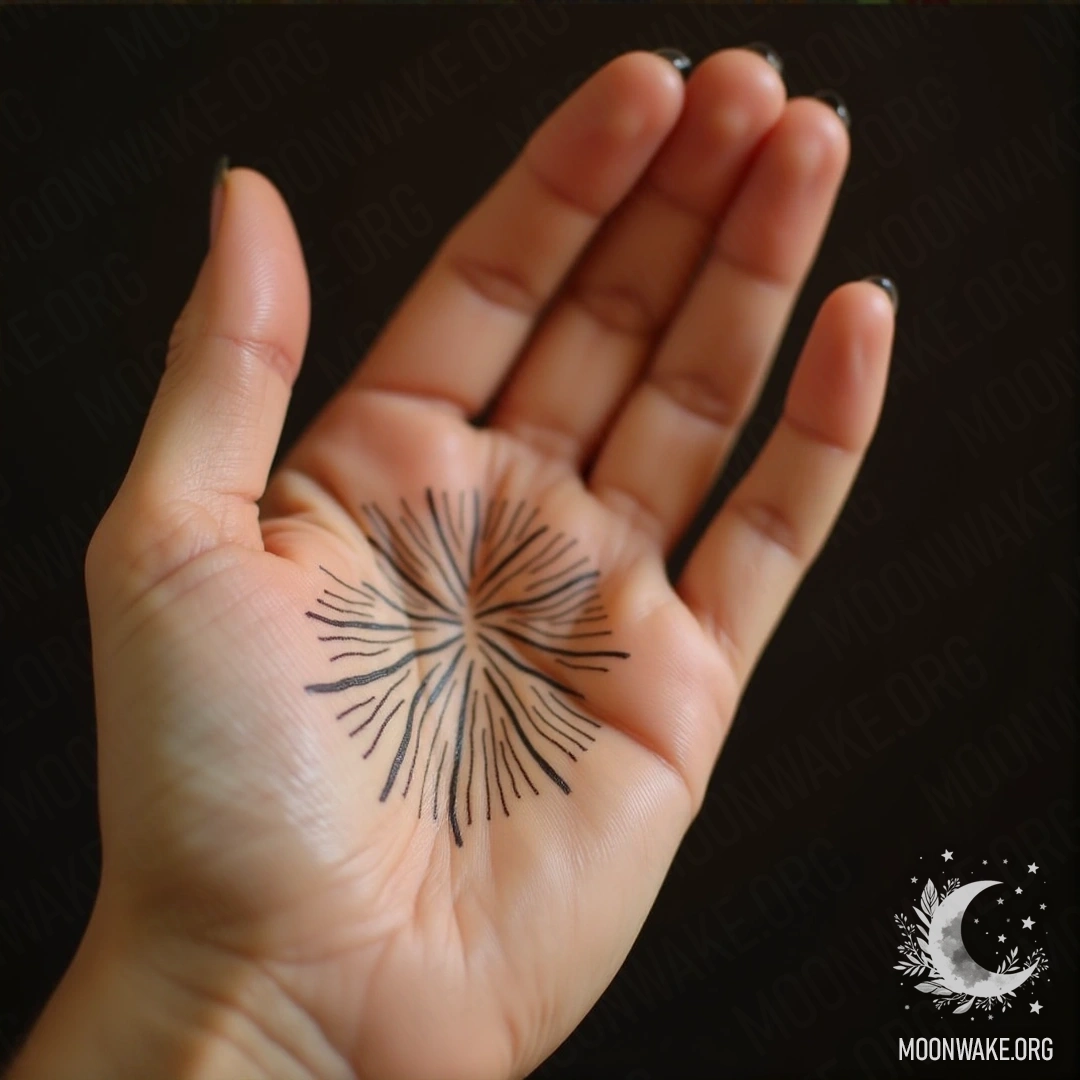
Palmistry is the art of prediction by lines and shapes on the palms. This method has ancient roots in India and China. It is believed that the lines on the palm can tell about character, fate, and future events.
The main lines studied are the life line, heart line, head line, and fate line. Each is interpreted differently. For example, the heart line is associated with emotions and personal life, while the life line relates to life energy and important events.
Candle Divination: Flame as an Answer
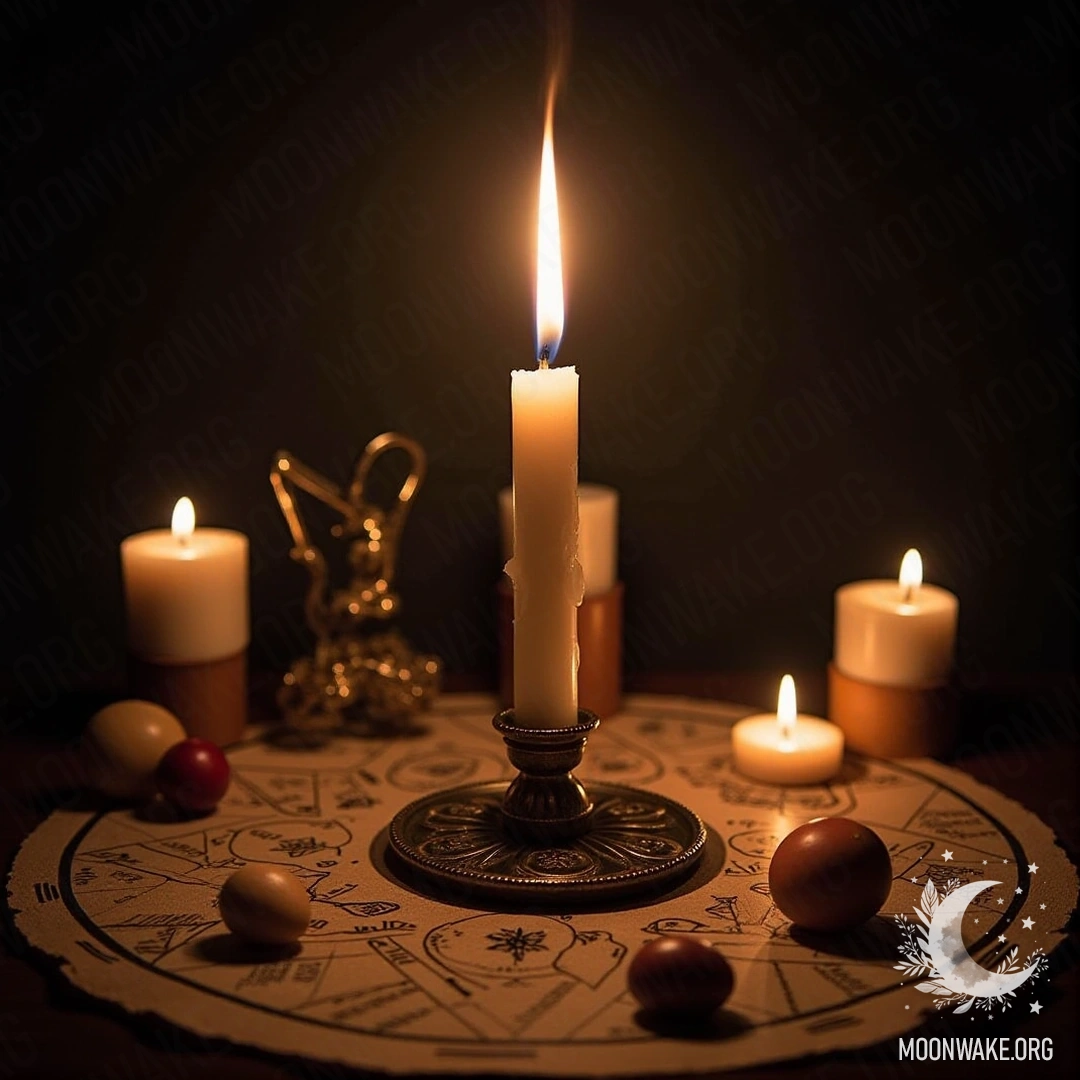
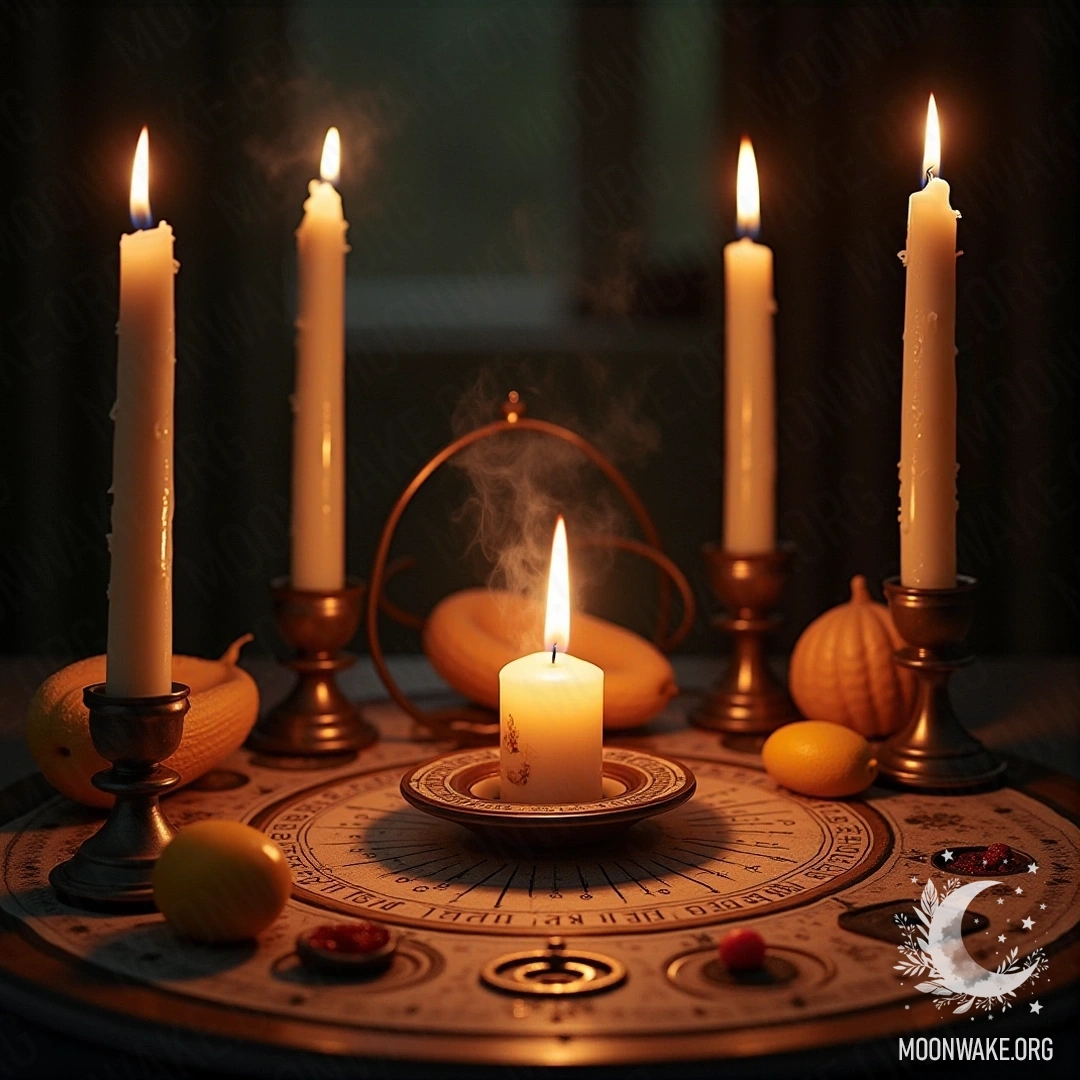
Candle divination is a method based on observing the candle flame and the behavior of wax. It is used as a way to get answers to questions through the symbolism of fire.
Popular techniques include "wax divination," where melted wax is poured into water and the resulting shapes are interpreted, and flame reading—analyzing the brightness, stability, and movement of the flame.
Lenormand Cards Divination
Lenormand cards are a divination method using a deck of 36 cards with pictorial symbols. Created by French fortune teller Marie-Anne Lenormand in the 19th century, these cards have clear meanings and are intended for obtaining specific answers.
The card symbols cover various aspects of life such as home, love, work, and health. The method is popular both in everyday divination and professional practices.
Popular Methods of Divination
- Tarot — using cards for predicting the future and self-discovery.
- Astrology — creating horoscopes and analyzing the influence of planets on human life.
- Palmistry — divination by lines of hands and fingers.
- Candle Divination — using candle flames to predict the future.
- Lenormand Cards — divination using 36 cards depicting various symbols.
In this chapter, we have looked at only some of the most popular methods of divination. Each has its unique system of symbols and approach, allowing one to choose the most suitable method for each person.
Divination and Psychology: How Intuition and the Subconscious Work
Divination is often perceived as something mystical or supernatural, but there is also a psychological side to this process. How exactly does divination affect us? Why do predictions sometimes come true? Why do we feel like we receive answers to important questions when reading cards or palmistry? Answers to these questions can be found in psychology, especially in the context of intuition, the subconscious, and psychoanalysis.
Intuition as the Basis of Divination
Intuition is the ability to make quick decisions based on inner feelings, not always consciously realized. Research shows that intuitive decisions often turn out to be correct, even if a person cannot precisely explain why they acted that way.
In the process of divination, intuition plays a key role. The fortune-teller, paying attention to Tarot cards or palm lines, can use their intuition to interpret symbols and get clues. The human brain can process a huge amount of information in fractions of a second without conscious awareness. Thus, intuitive perception of symbols can be explained as a rapid analysis of subconscious signals.
In Gary Klein's book "The Power of Intuition" (2004), it is described how intuition helps make decisions in uncertain conditions. The author explains that such decisions are based on accumulated experience and unconscious knowledge.
The Subconscious and Divination: The Influence of Hidden Thoughts
The subconscious plays an important role in the process of divination. It stores all information about our past, including experiences, emotions, fears, and desires. When we turn to divination, our mind often seeks answers to questions that may be unconscious.
Sigmund Freud and Carl Jung argued that the subconscious can be an important source of knowledge. Jung, for example, developed the concept of the collective unconscious, suggesting that symbols in divination can be universal archetypes familiar to everyone.
Thus, interpreting symbols in divination can reflect personal experiences. For example, the "Tower" card in Tarot may be perceived as a symbol of destruction, but its meaning will vary for each person depending on subconscious associations.
The Process of Choice in Divination: Psychological Aspect
Choice is one of the most important moments in divination. It can be the choice of a card, symbol, or even the question itself. Psychologists believe that even a random choice often reflects internal emotional states.
In Leonard Mlodinow's book "The Drunkard's Walk: How Randomness Rules Our Lives" (2008), it is explained that humans tend to see patterns in random events. This reflects our innate need for control and order.
Thus, divination can serve as a mirror of the current psychological state and subconscious desires.
The Role of Focus and Concentration in Divination
Successful divination often requires concentration. Meditative practices and rituals help focus and enhance the perception of intuitive signals.
According to Daniel Goleman's book "Focus: The Hidden Driver of Excellence" (2013), concentration helps to shut out distractions and activate brain areas responsible for intuitive perception.
Divination as a Tool for Self-Knowledge
Divination can serve not only as a prediction of the future but also as a method of self-knowledge. Interpreting symbols allows one to look at their fears, desires, and inner conflicts.
Awareness of these internal conflicts can help a person better understand themselves and make important decisions. Thus, divination may be less of a mysticism and more a method of psychological reflection.
List of Psychological Aspects of Divination
- Intuition — the ability to perceive information without full awareness.
- Subconscious — the influence of hidden thoughts on symbol interpretation.
- Choice — reflection of internal states through seemingly random actions.
- Focus — enhancement of perception through concentration.
- Self-Knowledge — understanding oneself through divinatory practices.
Divination is not only a mystical process but also a psychological tool that allows a person to look into the depths of their consciousness and subconscious.
Divination and Culture: How Different Peoples Perceive Divination
Divination is a phenomenon present in many cultures around the world, and each society has developed its own methods of predicting the future. Although the forms of divination vary, the essence often boils down to the desire to understand the unknown, find support in difficult times, and seek answers to important life questions. Below, we will look at how divinatory practices are represented in different regions of the world.
European Divination Traditions
In Europe, divination is closely connected with folk beliefs, mysticism, and esotericism. Tarot card reading, which originated in Italy in the 15th century as a card game, became especially popular. By the 18th century in France, they began to be used for mystical and predictive purposes. Tarot, consisting of 78 cards, is interpreted through symbolism and archetypes, and their use is aimed at understanding a person's inner state and the possible development of a situation.
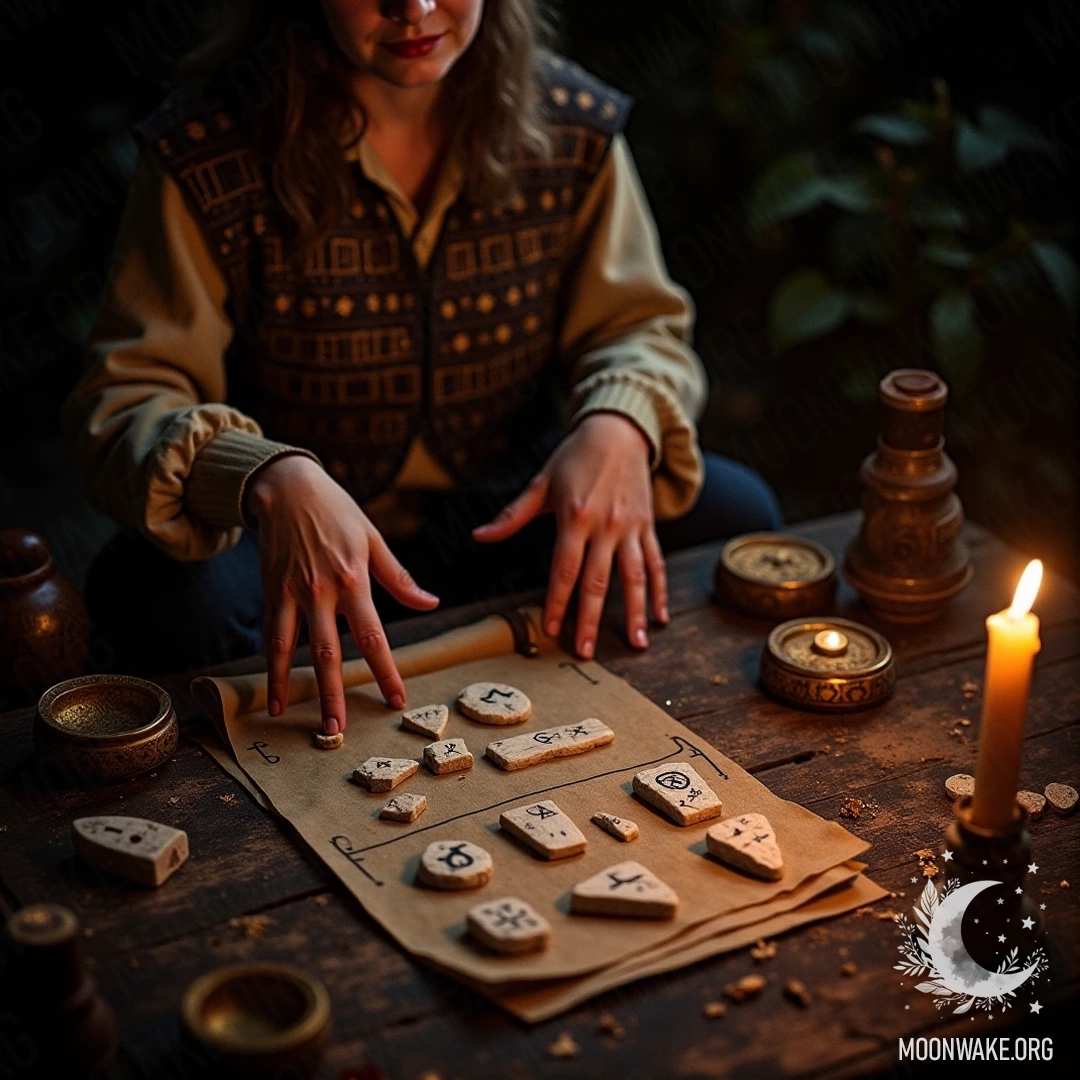
Modern rune divination is based on the reconstruction of ancient Scandinavian and Germanic symbols. Although runic writing was indeed used in Northern Europe before the spread of the Latin alphabet, there is no direct historical evidence of runes being used for divination in antiquity. Today, runes are interpreted within modern esotericism and psychology.
Divination in Asia: Ancient Texts and Philosophical Roots
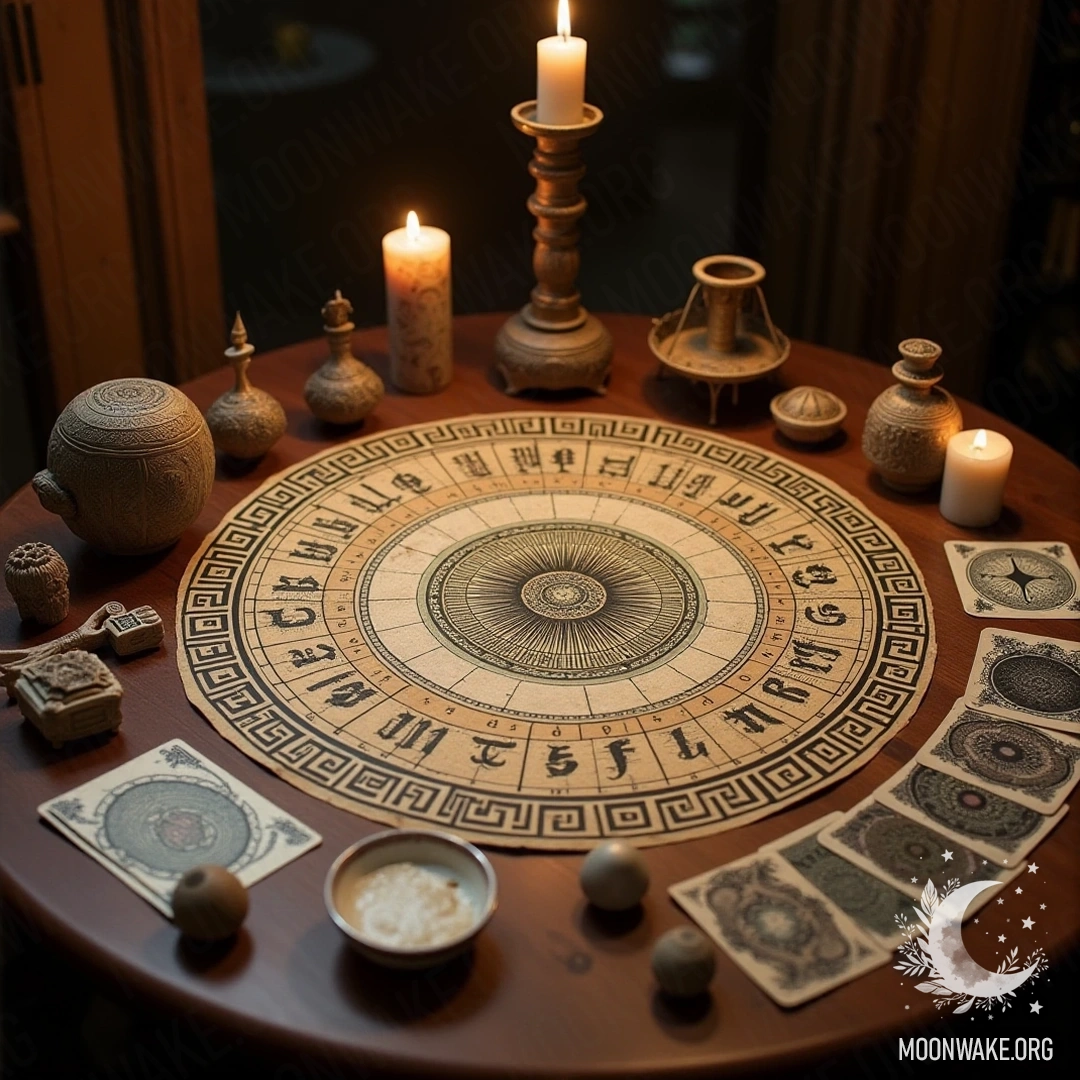
One of the most well-known methods of divination in Asia is the I Ching — the "Book of Changes". This Chinese text dates back to the Western Zhou period (around 1000 BCE) and includes 64 hexagrams used to interpret current situations. Based on Taoist principles, the I Ching emphasizes the world’s variability and encourages decision-making in harmony with this change.
In Japan, the Shukuyo system is widespread, as well as the 12-year zodiac cycle of Chinese origin. These methods are used not so much to predict specific events as to analyze personality, character, and life path.
Divination in Africa: Connection with Spirits and Nature
In many African cultures, divination is linked to spiritual traditions. For example, among the Zulu people, the ukukhuluma method is practiced — divination using bones, shells, or sticks. The position of these objects is interpreted as a message from ancestral spirits. Diviners, called sangomas, act as intermediaries between the physical and spiritual worlds, helping people solve personal and community problems.
Divination in the Americas: Natural Symbols and Mythology
Among the indigenous peoples of North America, divination is connected with natural signs, dreams, and animal behavior. For example, dreams can be regarded as a source of messages, and certain animal behaviors as signs or warnings. These practices are not only means of prediction but also ways of establishing a connection with the spiritual world and nature.
Comparative Table of Popular Divination Methods by Region
| Region | Divination Method | Tools | Approach |
|---|---|---|---|
| Europe | Tarot cards, runes | Cards, symbols | Symbolism, archetypes |
| China | I Ching | Coins, hexagrams | Cyclicity, philosophy |
| Japan | Astrology (Shukuyo, zodiac) | Calendar cycles | Character analysis |
| Africa | Bone divination | Bones, shells | Connection with spirits |
| America | Dreams, natural signs | Dreams, animals | Interpretation, spirituality |
Why Divination Actually Works
On our website, you will find various types of divinations — from Tarot cards and runes to numerological calculations and oracles. You can choose the method that intuitively or emotionally resonates with you. And perhaps you wonder: why do online divinations seem so accurate? Below is a brief scientific perspective on how and why this works.
1. The Principle of Projection and Self-Reflection
When a person turns to divination, they often project their inner experiences onto the external result. This psychological effect is called the projective mechanism. We interpret the divination result through the lens of our feelings, desires, and thoughts — and that is its true value.
The result of divination is not just an "answer," but a reflection of your current inner state.
2. The Barnum Effect
Many of the statements used in divinations are universal and perceived as personal. This is a manifestation of the Barnum effect — a phenomenon where people find personal meaning in general statements. It is widely used in astrology, psychology, and marketing.
3. Cognitive Activation
A random symbol, number, or card can awaken associations, memories, or new ideas. This activates intuitive thinking and promotes self-awareness.
Even a single word can evoke feelings and guide you to an unexpected solution.
4. Online Format — Not a Hindrance, but a Convenience
Online divinations retain their effectiveness because the key is not in "magic" but in interpretation. Like a metaphor, parable, or inspiring quote, they can help a person make sense of what is happening and feel supported.
Conclusion
Online divinations work because they engage you in the process of reflection, allow you to look inside yourself, and receive emotional feedback. It is not magic in the literal sense — it is the language of symbols and intuition that speaks directly to the subconscious.